- 01Filter press completes permitted cycle→
- 02Plates open and cake enters loading zone→
- 03Guarded conveyor transfers cake→
- 04Chute delivers cake to receiver→
- 05Operator inspects after safe isolation
Filtration, pressing, cake breaking, conveying, drainage, and receiving are separate functions. Their interfaces and controls require project confirmation.
When to Choose a Filter Cake Conveyor
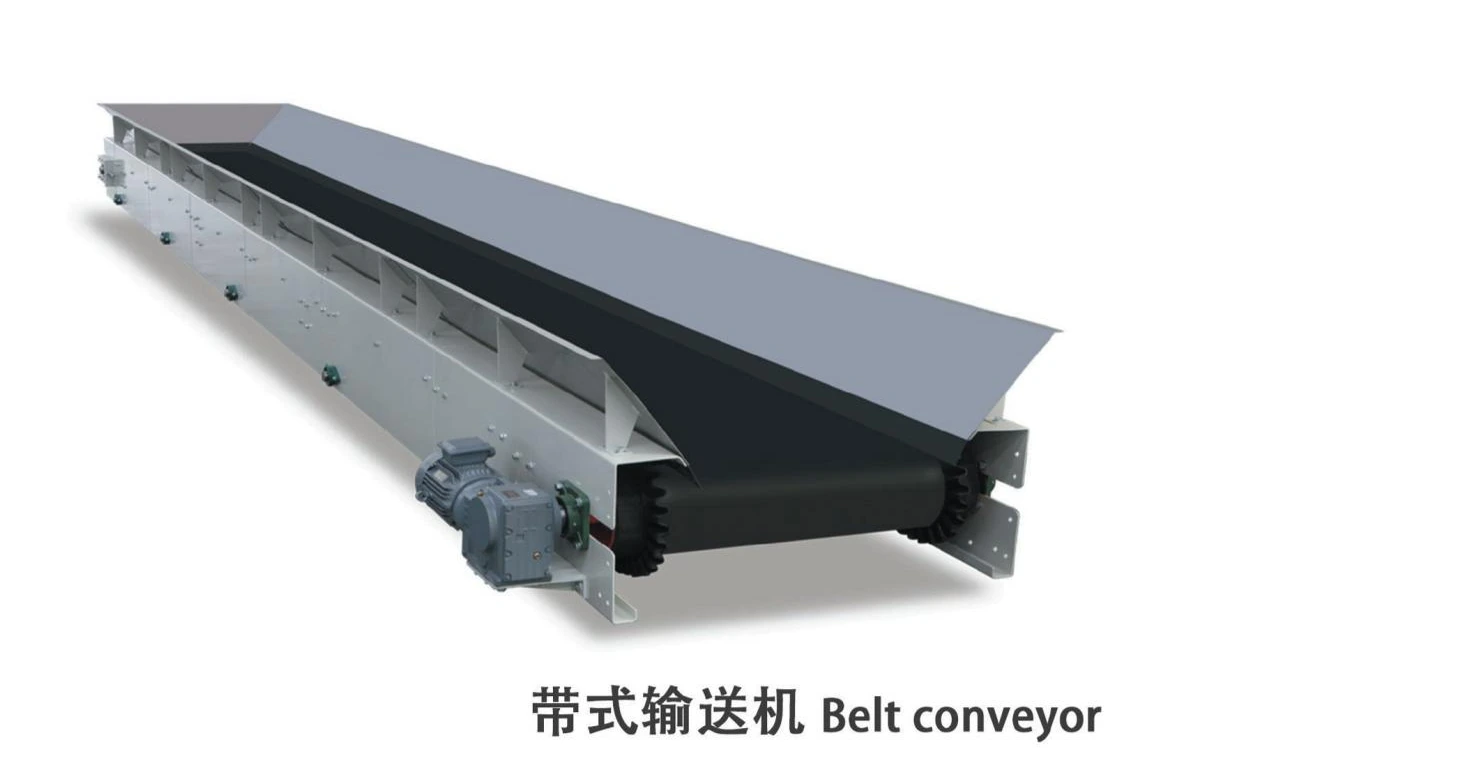
Choose a conveyor when cake must travel from the press discharge area to an offset or lower receiving point. A defined route can organize discharge and connect the press with a hopper or skip. Selection follows cake condition and layout, not belt width alone. Cakes may be firm slabs, soft cohesive material, friable lumps, or material with free liquid.
Automatic plate opening does not make the conveyor self-cleaning, and a manually unloaded press can still use one. Confirm whether cake arrives as individual slabs or a stream, whether a breaker is needed, and how drainage and safe access will be managed.
- Confirm press discharge pattern, cake piece size, adhesion, abrasion, temperature, and free liquid.
- Measure loading and outlet elevations, route length, direction changes, access, supports, and receiving opening.
- Keep the conveyor guarded and separate from walkways; define inspection and cleaning access.
- Define the relationship between press discharge, conveyor ready, receiving level, fault, and emergency-stop signals.
| Selection question | What to confirm | Why it matters |
|---|---|---|
| Discharge | Manual or automatic; one cake or several plates | Sets loading and sequence |
| Cake | Slab size, moisture condition, adhesion, abrasion, free liquid | Affects surface, scraper, chute, and drainage |
| Route | Elevations, distance, width, supports, access | Determines arrangement and installation |
| Receiver | Hopper, skip, stockpile, truck, or next process | Confirms outlet and containment |
How the Cake Transfer Route Works
After the permitted filtration and any separately specified pressing or washing step, the press enters its discharge condition. Plates open according to the press design and cake falls into the loading zone or a short chute. The conveyor transfers it to the receiving point. A scraper, skirt, cover, drip tray, or drainage point may be considered when the material and site require them.
The control boundary must be agreed before commissioning. Typical signals include ready, run, stop, fault, emergency stop, receiving-bin level , and a permissive from the discharge sequence. Operators still inspect the path and abnormal build-up only after stopping, isolating, locking out, and verifying zero movement.
- Stop feed and isolate all energy before removing a blockage.
- Never reach into a moving conveyor or use a tool on an energized drive.
- Separate free-liquid drainage from the conveying route where liquid could reach bearings, drives, or controls.
Components and Available Configurations
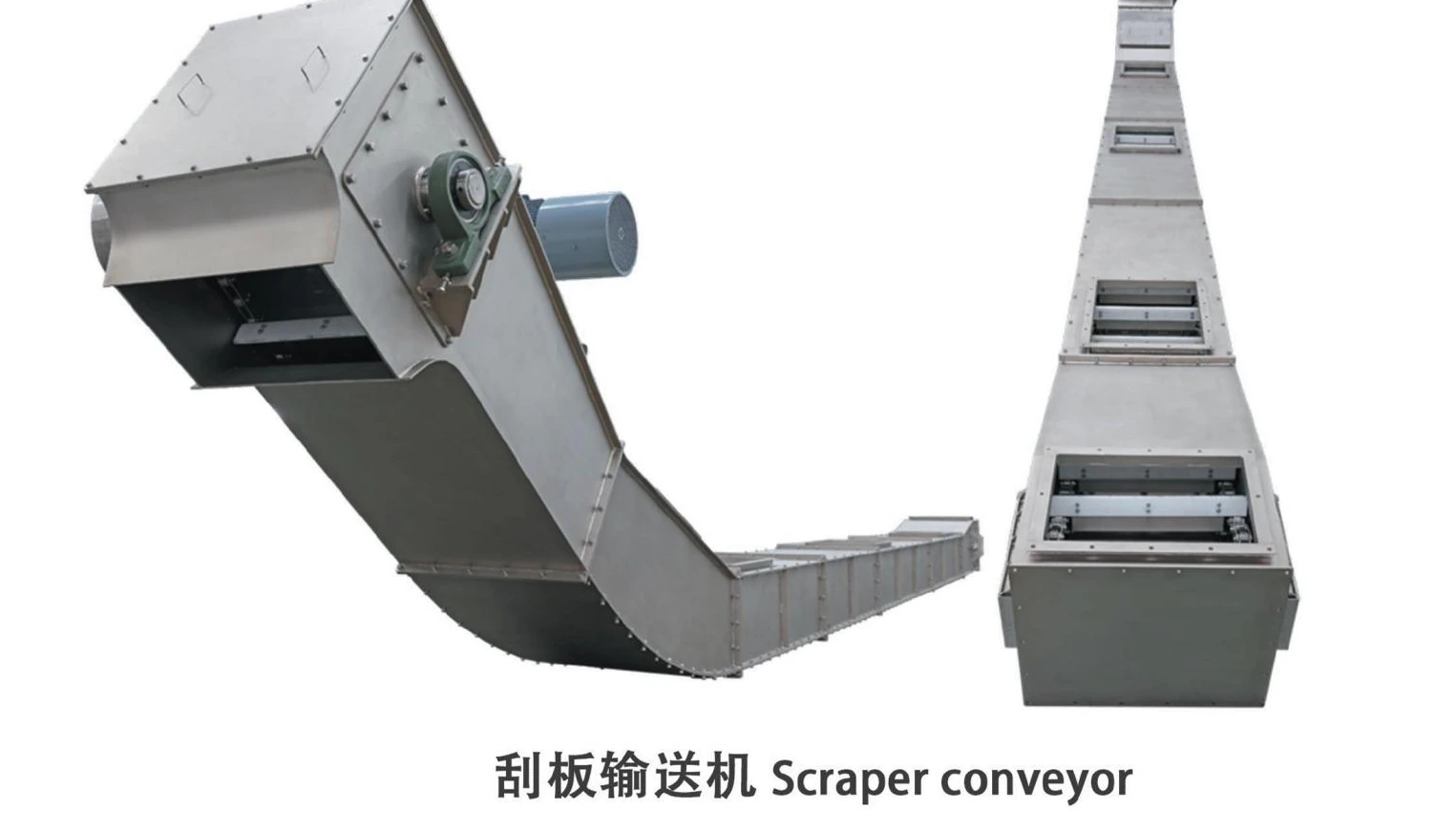
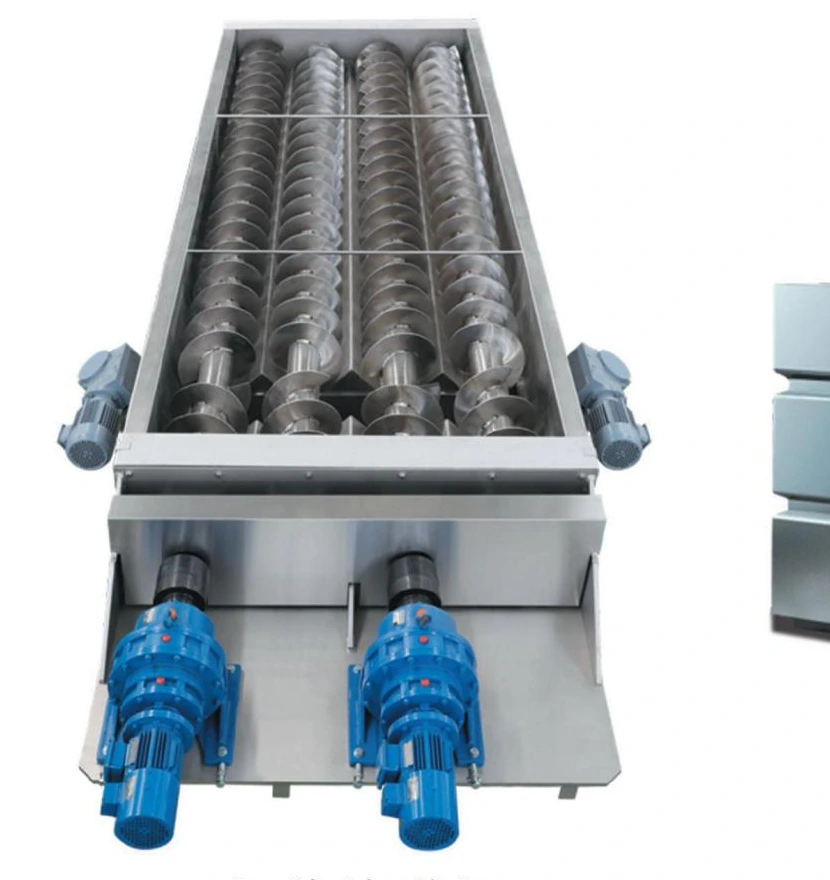
A arrangement may include a conveying surface, frame and supports, drive assembly, loading and discharge chutes, guarding, and service access. The conveyor must not obstruct plate movement, cloth inspection, hydraulic access, or safe operator access. A covered or open route, scraper, skirt seal, inspection cover, drip tray, and washdown provision are project decisions.
Straight transfer and inclined lift arrangements can both be considered. A cake breaker is separate equipment: include it only when slab size, downstream opening, material behavior, justify it. Manual and automatic presses can both connect to a conveyor; the difference is the discharge sequence and operator responsibility. A membrane press may also use one after its specified filtration and pressing steps; the conveyor does not perform pressing.
| Interface | Practical check |
|---|---|
| Loading zone | Fall height, impact, plate-opening envelope, chute clearance |
| Conveying surface | Adhesion, abrasion, temperature, moisture, cleaning method |
| Drive and support | Duty, alignment, access, fixing, guarding |
| Discharge | Outlet elevation, receiving opening, splash or dust control |
| Controls | Ready, run, fault, emergency stop, permissive, reset responsibility |
Technical Information Needed for Selection
Shengqi does not assign a universal conveying capacity, speed, inclination, belt width, drive rating, or service life to every application. These values depend on cake load per event, discharge timing, route geometry, and receiving equipment. Any quotation values are project-specific confirmations, not promises for every configuration. Send the press model or nameplate, discharge height and width, a route sketch, receiving drawing, and a cake description or representative sample. Include cycles, operating hours, available power, washdown practice, drainage, ambient conditions, and site controls responsibility.
| Send | Minimum useful detail |
|---|---|
| Press | Nameplate, plate arrangement, discharge method, photographs |
| Cake | Piece size, moisture, adhesion, abrasion, temperature, free liquid |
| Layout | Plan and elevation, dimensions, access, supports, receiving point |
| Utilities | Power, PLC responsibility, emergency-stop philosophy, drainage |
| Project | Country, installation stage, quantity, attachments |
Installation, Maintenance, and Replacement Parts
Before installation, verify civil supports, clearances, receiving opening, drainage, isolation point, lifting access, . Qualified site personnel must check wiring and protective devices against local requirements. Routine checks include tracking, fasteners, guards, scraper condition, chute build-up, drive noise, vibration, drainage, and emergency-stop function.
Before inspection, cleaning, adjustment, or part replacement, stop the process, isolate and lock out every energy source, and verify zero movement. Never open a guard, a blockage, service a drive while energized, bypass an interlock, or enter the conveyor. Request replacement belts, scrapers, seals, bearings, guards, or drive parts with the conveyor identification, photographs, dimensions, .
- Record alignment, carryback, drive faults, and recurring build-up.
- Keep drainage from standing near electrical or rotating components.
- Treat washdown as a controlled, isolated activity and collect waste .
What to Send for a Conveyor Enquiry
Send press photographs, a nameplate, discharge dimensions, a route sketch with elevations, the receiving-point drawing, and a cake description. State whether discharge is manual or automatic, whether membrane pressing is used, and whether a breaker or washdown system is planned. Mark uncertain dimensions as to be measured rather than filling the request with assumptions. Andy can separate confirmed facts from items requiring testing or site verification.
Frequently Asked Questions
Can a conveyor connect to an automatic filter press?
Yes. Both automatic and manual presses can use one. Confirm discharge sequence, permissives, fault response, guarding, isolation, and operator duties.
Does the conveyor determine cake moisture?
No. Moisture is affected by slurry properties, filtration, pressing, cake thickness, cloth condition, and cycle settings. The conveyor only transfers the released cake.
Do you provide fixed capacity and speed for every conveyor?
No. Cake load, timing, route, receiver, and material behavior are required before project-specific values can be confirmed.
Is a cake breaker automatically included?
No. It is a separate decision based on slab size, downstream opening, material behavior, .