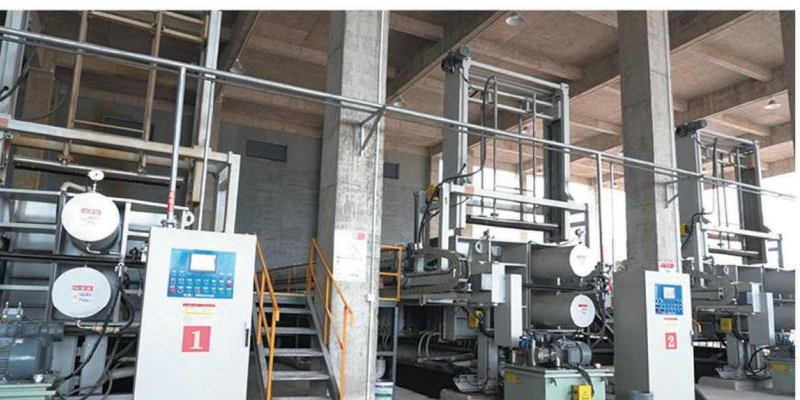
- 01Sludge collection or equalization→
- 02Optional conditioning and feed pump→
- 03Filter press filtration→
- 04Separate squeeze or wash stage if selected→
- 05Filtrate collection and routing→
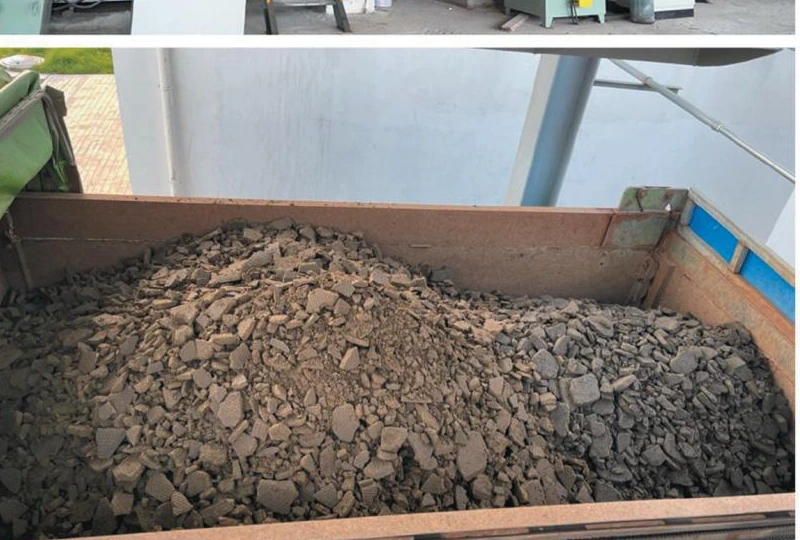
- 06Cake discharge and handling
The actual cycle and module list depend on testing and the approved configuration. Filtration, membrane squeezing, cloth washing and cake washing are separate duties and must not be treated as one default step.
What This System Covers
This page describes how the modules around a filter press fit together. It is not a promise of a fixed treatment capacity, cake moisture, pressure, service life or delivery date. Industrial sludge can change with the source, upstream separation, season, storage time and any conditioning used. The system should therefore be defined from measured material information rather than from a press name alone.
- Feed pump, feed manifold and isolation points selected for the slurry
- Filter press with the appropriate plate, cloth, closing and discharge arrangement
- Filtrate collection and routing to the customer's designated process point
- Cake drop, transfer or temporary handling area with safe access
- Controls, interlocks and operator actions agreed before commissioning
| Boundary question | Information to confirm |
|---|---|
| Sludge origin | Process source, collection points, mixing or equalization practice, and expected variation |
| Feed condition | Wet sludge quantity, solids concentration, particle character, temperature, pH and any known corrosive components |
| Outlet duties | Filtrate destination, cake handling method, discharge height and whether washing or a separate pressing stage is required |
| Site responsibility | Civil work, tanks, pumps, power, pipework, drainage, lifting access, installation and operator training |
Modules and Site Connections
The feed side needs a stable route from the sludge holding point to the press inlet. A feed pump is selected for the actual slurry and piping layout; pump choice should not be inferred from a generic flow claim. An optional polymer dosing or mixing module may be considered where testing shows that conditioning is useful, but no general chemical recipe should be applied without material, equipment and safety review.
- Separate filter-cloth washing from filter-cake washing; they are different duties with different routing and controls.
- Define whether a conveyor, cake breaker or manual receiving area is included, and who supplies it.
- Confirm drain, spill-control and wash-down provisions before equipment placement.
Selection and Verification Steps
A system selection should move from evidence to interfaces. Start with representative sludge samples and operating records, then identify whether laboratory or site testing is needed. Test observations can inform cloth, plate, cycle and conditioning choices; they do not replace a review of the full installation. The filter area and chamber volume are selection variables, not direct guarantees of plant output.
Keep three pressure concepts separate during review: feed pressure at the slurry inlet, membrane or squeeze pressure where a membrane configuration is selected, and the hydraulic system pressure used by the closing mechanism. The applicable limits and sequence must come from the confirmed equipment design and operating instructions.
| Step | Decision or measurement | Responsible party to confirm |
|---|---|---|
| 1. Characterize | Source, wet mass, dry-solids basis, solids range, temperature, pH and particle behavior | Customer with Shengqi review |
| 2. Test | Filterability, filtrate appearance, cake release, cloth behavior and any conditioning requirement | Customer sample and agreed test scope |
| 3. Define interfaces | Tank, pump, inlet, filtrate, drains, power, controls, access and cake discharge points | Project engineering team |
| 4. Configure | Press type, plate and cloth arrangement, automation boundary and optional auxiliaries | Shengqi proposal for confirmation |
| 5. Verify | Drawings, utilities, safety interlocks, installation sequence and acceptance observations | Both parties before installation |
What the Site Must Prepare
Before shipment or installation planning, the site should provide a level support arrangement suitable for the confirmed equipment, a route for moving and lifting components, sufficient working clearance around the plate pack, and access for inspection and replacement work. The customer should identify the incoming power standard, control-panel location, pump and tank positions, pipe sizes to be confirmed, drainage and wash-water arrangements.
- Reserve access to open, inspect and service the press without entering an unsafe operating zone.
- Provide isolation points and a safe method to verify that pressure and stored energy are released before service.
- Keep control logic and interlock responsibilities documented; never bypass an interlock to continue production.
Operation, Maintenance and Replacement Scope
Operators normally verify the feed condition, plate-pack readiness, filtrate route, discharge area and active alarms before a cycle. The approved sequence may include feeding and, where the selected configuration requires it, a separate squeeze, wash or discharge step. The system should not assume that every sludge requires the same sequence. Do not open a press under pressure, do not perform electrical work while energized, and do not defeat guards or interlocks.
| Maintenance item | Practical check |
|---|---|
| Filter cloths | Look for blinding, tears, poor seating, blocked openings and changes in filtrate behavior; clean or replace only under the approved procedure |
| Filter plates | Check sealing faces, feed and filtrate openings, visible damage and correct arrangement after isolation |
| Feed and filtrate lines | Check leaks, blockage, valve position, supports and drainability with pressure safely released |
| Controls and safety | Review alarms and interlock status; qualified personnel isolate energy before electrical or mechanical service |
| Cake handling | Check drop path, conveyor or breaker condition, accumulation and safe access |
Information to Send for a System Review
Send a project pack so the system boundary can be reviewed without guessing. Include the sludge source and process description, wet quantity with its unit and time basis, dry-solids data if available, operating schedule, temperature, pH, particle or fiber notes, target handling outcome, filtrate destination, cake destination, available utilities, site country and project stage. Drawings or photographs of tanks, pipe routes, access and the existing press are useful.
- Use consistent units and distinguish wet sludge quantity from dry-solids quantity.
- State whether the requested outcome is filtration, handling, reuse, further treatment or a combination.
- Attach available P&IDs, layout sketches, nameplates, sample notes and operating photographs.
- Mark unknown values as Not Sure rather than inserting assumed performance figures.
Frequently Asked Questions
Does an industrial sludge dewatering system always include a membrane filter press?
No. A membrane press is one possible configuration when a separate squeeze stage is appropriate. Chamber, membrane and automatic features address different design questions and can be evaluated together from slurry data, testing and the required operating boundary.
Can you guarantee a fixed cake moisture or treatment capacity from this page?
No. Cake condition and system throughput depend on material properties, solids basis, cycle decisions, cloths, plates, conditioning, feed equipment and operating practice. A model and any performance expectation require confirmed data and, where needed, testing.
Is clear filtrate automatically suitable for discharge or reuse?
No. Filtrate appearance is an operating observation, not proof of compliance with a site's water-quality requirements. The customer must define sampling, treatment and regulatory acceptance with the responsible process team.
What should happen before maintenance on the press?
Follow the approved lockout, isolation and pressure-release procedure, verify the safe state, and use qualified personnel for mechanical or electrical work. Never open the press under pressure, work on energized equipment or bypass an interlock.